


· Product · New products

Amber DryMill

Why choose Amber DryMill

Key features 01

Dry-Millable 100% Lithium Disilicate

Key features 02

Edge stability

Key features 03

Aesthetic

Key features 01

Dry-Millable 100% Lithium Disilicate

This website is intended solely for informational purposes.
No products are sold or offered for sale through it.

HASS products are available for purchase only in countries where the applicable regulatory approval or registration has been obtained, and only through authorized distributors within each respective country.

For purchase inquiries, please contact the authorized distributor in your country.

Regulatory approval has been obtained only in the Republic of Korea.


Amber® DryMill

Dry-millable 100% lithium disilicate in a pre-sintered soft state for enhanced processing efficiency.


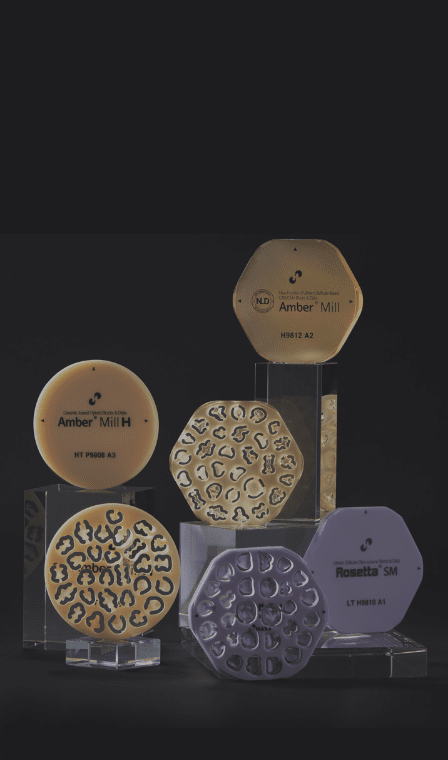
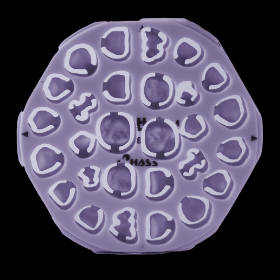
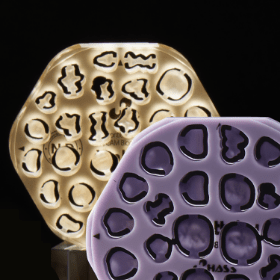
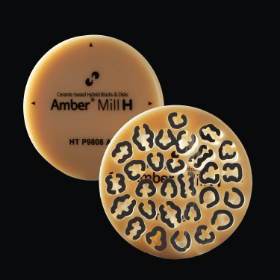
Amber DryMill 100% Lithium Disilicate (LS2) disk milled in a soft pre-sintered state without water coolant.
Amber DryMill 100% Lithium Disilicate (LS2) disk for dry-milling in a soft pre-sintered state.


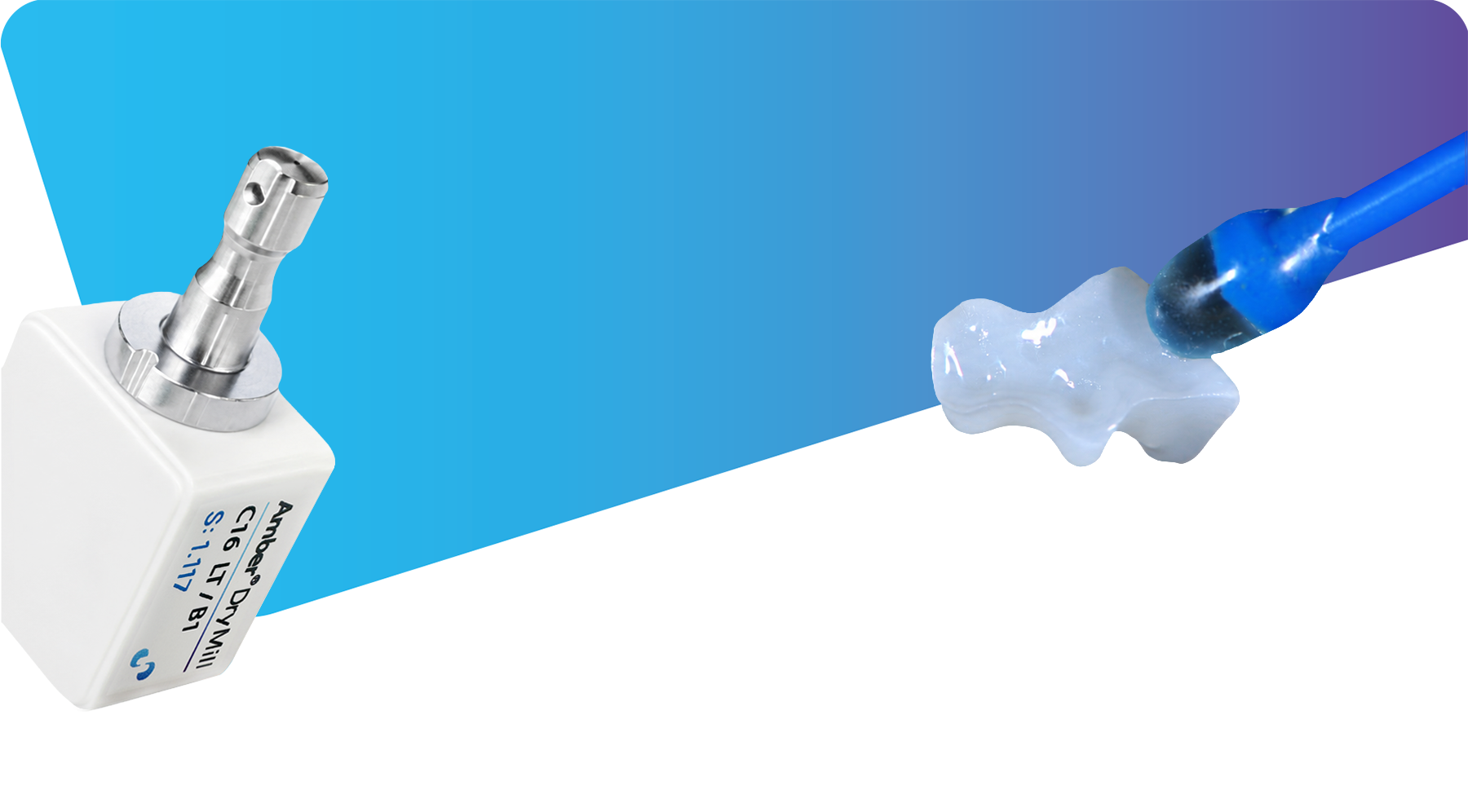
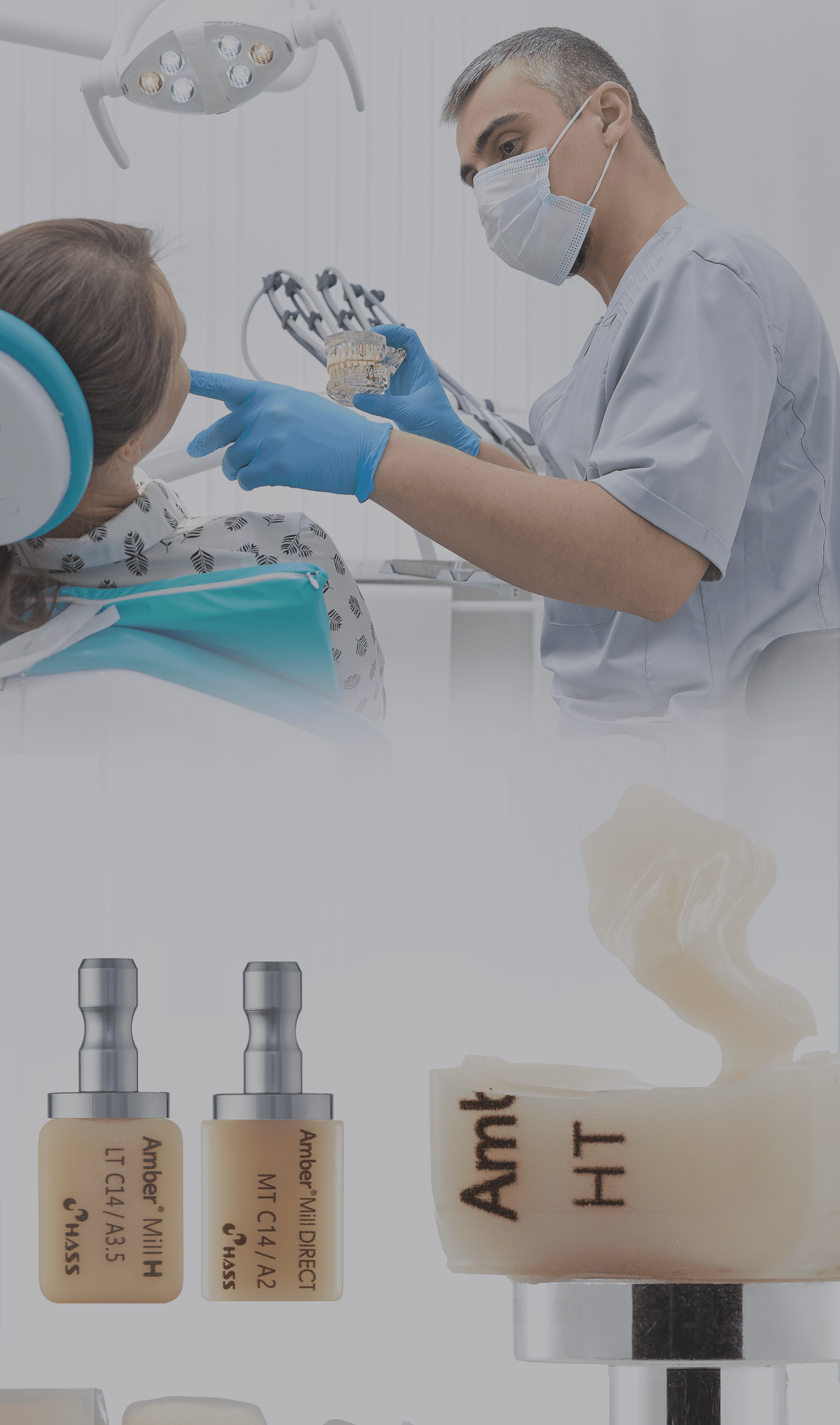
Amber DryMill C16 block made of Lithium Disilicate (LS2) on a CAD/CAM mandrel
An Amber DryMill C16 block made of Lithium Disilicate (LS2) mounted on a standard CAD/CAM mandrel.

Key features 02

Edge stability

SEM analysis comparing milled margins of Amber DryMill 100% Lithium Disilicate (LS2) and conventional zirconia
An SEM analysis comparing the milled margins of Amber DryMill on the left with conventional zirconia on the right, based on data from Prof. 
Taesung Bae at Jeonbuk National University School of Dentistry, highlighting its 100% Lithium Disilicate (LS2) composition.


Amber DryMill restoration thickness guidelines for Lithium Disilicate (LS2) with minimum margin thickness specs
A technical guide for Amber DryMill showing a minimum overall restoration thickness of at least 0.5 mm on the left 
and a minimum margin thickness of at least 0.15 mm on the right for Lithium Disilicate (LS2) applications.


Amber DryMill restoration showcasing edge stability with intact thin margins for Lithium Disilicate (LS2)


Thin Veneer Case with Amber DryMill by Nondas
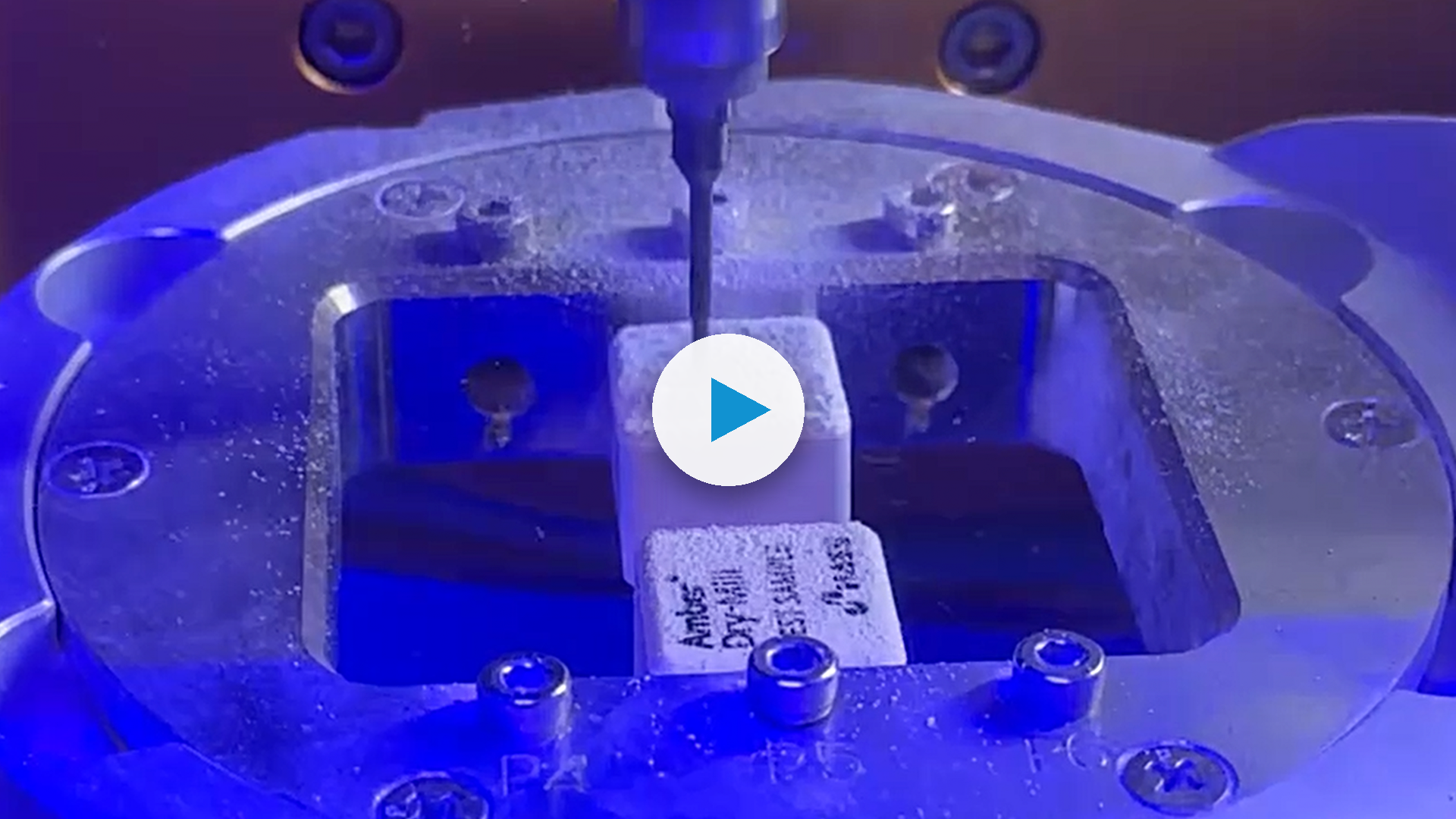
Ultra-thin veneer case with Amber DryMill by Nondas, 0.4 mm and 0.65 mm total thickness, click to play

Nondas tests new materials on an ultra-thin veneer case milled from "Amber DryMill", the HASS lithium disilicate block for dry-milling. 
The veneers were milled to a total thickness of 0.4 mm and 0.65 mm.
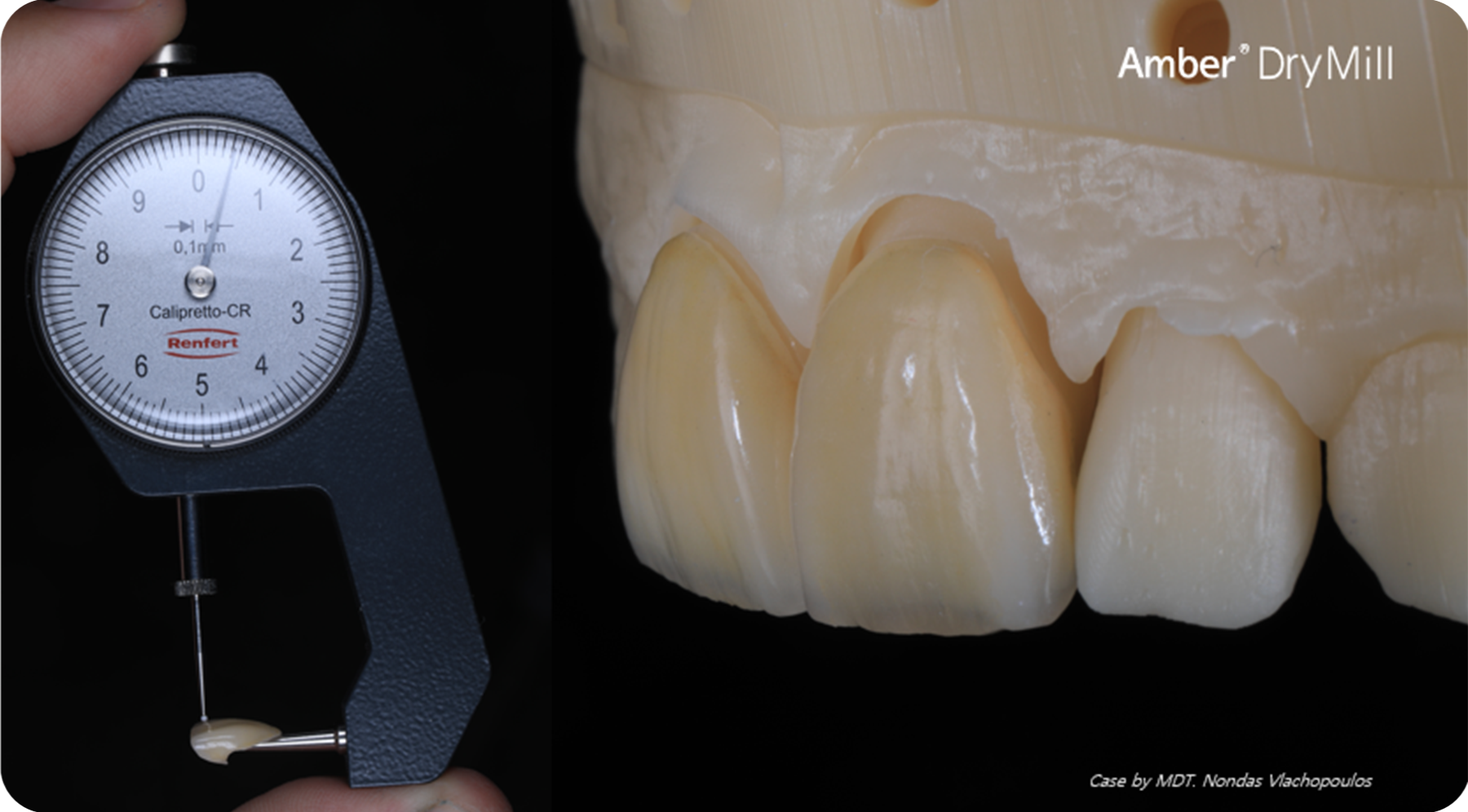


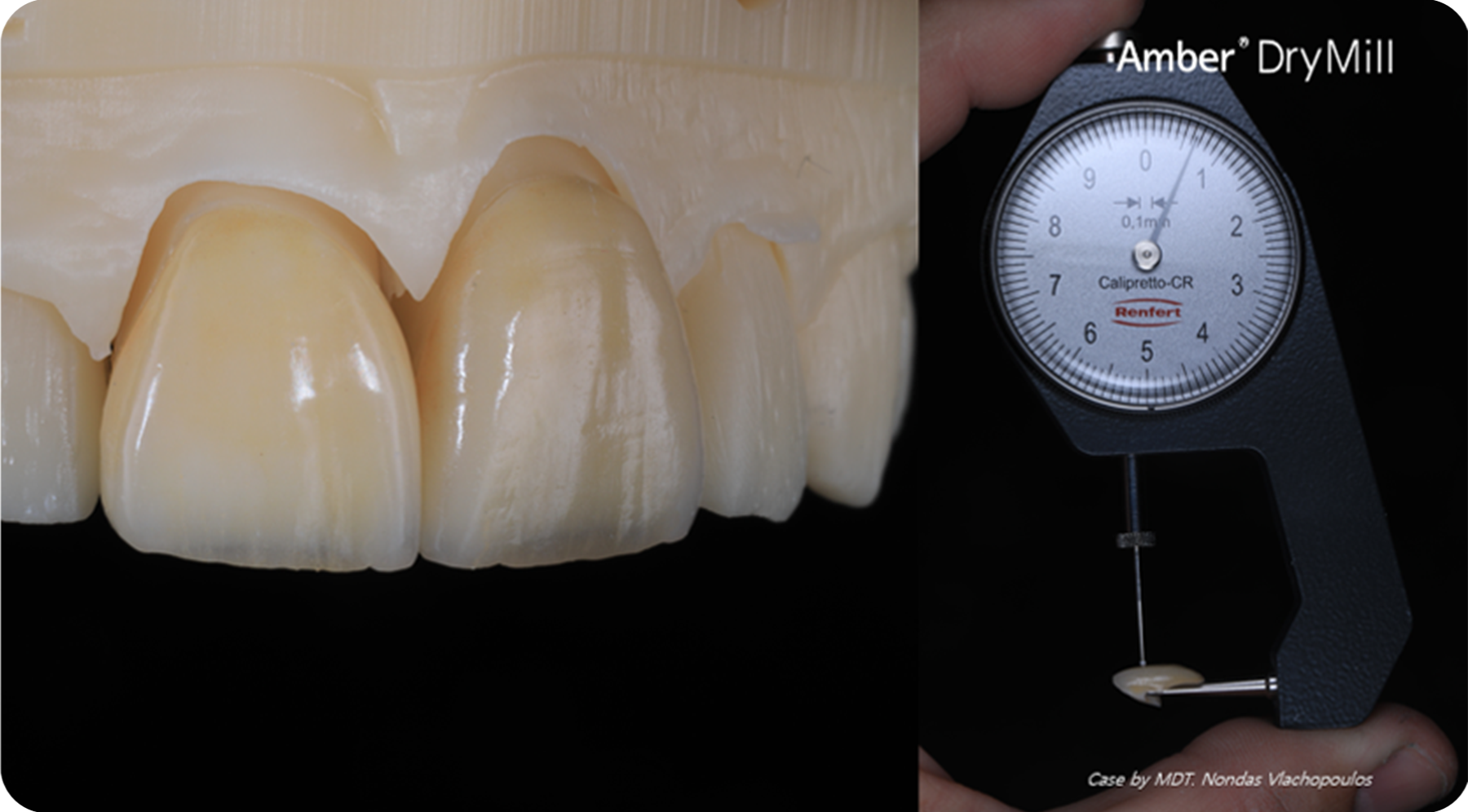
Dial gauge measuring an Amber DryMill lithium disilicate restoration beside milled anterior restorations on a model
Amber DryMill lithium disilicate restoration thickness measured with a dial gauge beside milled anterior restorations. HASS recommends a minimum overall restoration thickness of at least 0.5 mm and a minimum margin thickness of at least 0.15 mm for Amber DryMill Lithium Disilicate (LS2) restorations.
Amber DryMill lithium disilicate restoration thickness measured with a dial gauge beside milled anterior restorations.
Close-up of Amber DryMill lithium disilicate restoration thickness measured with a dial gauge beside milled anterior restorations. HASS recommends a minimum overall restoration thickness of at least 0.5 mm and a minimum margin thickness of at least 0.15 mm for Amber DryMill Lithium Disilicate (LS2) restorations.


Key features 03

Aesthetic

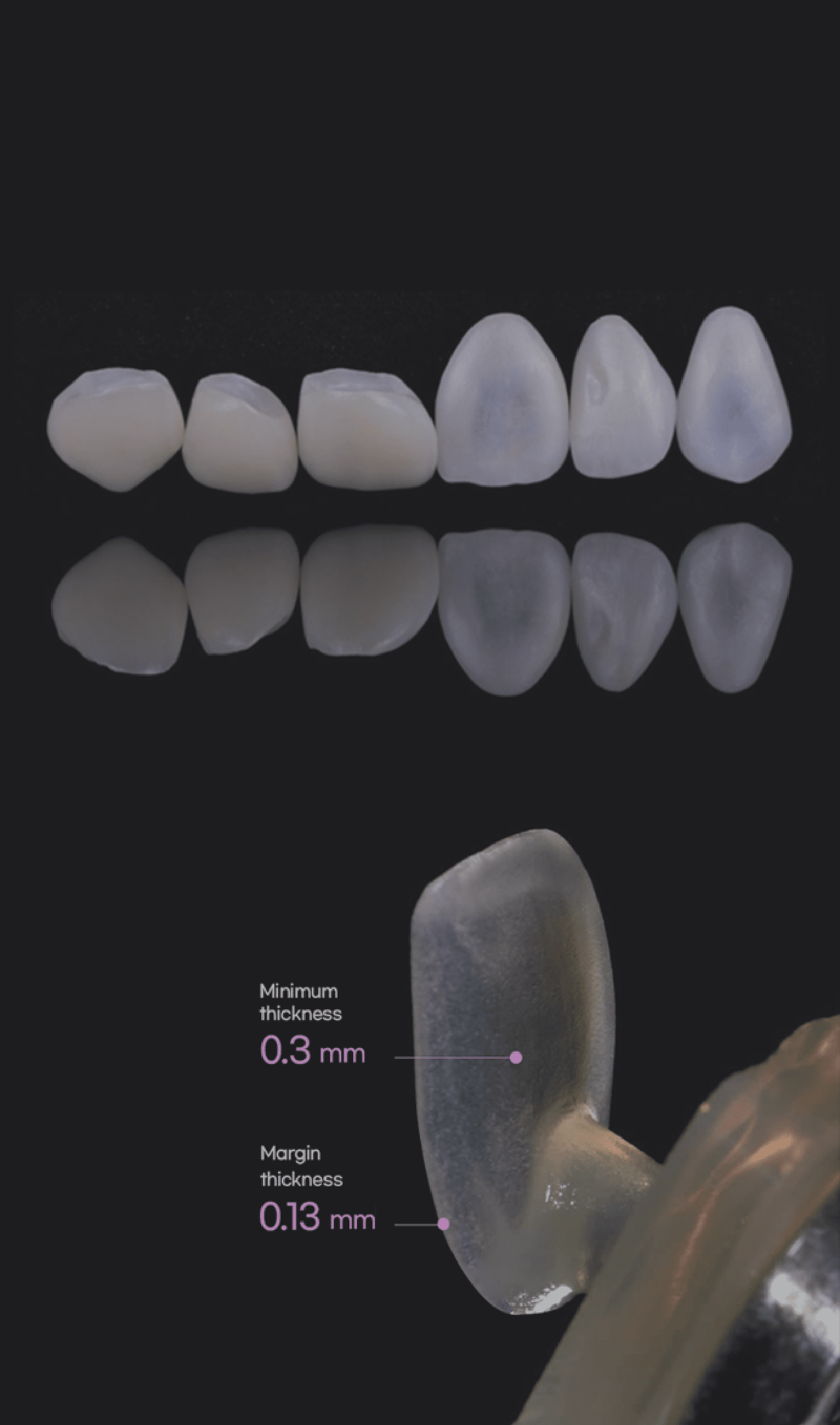
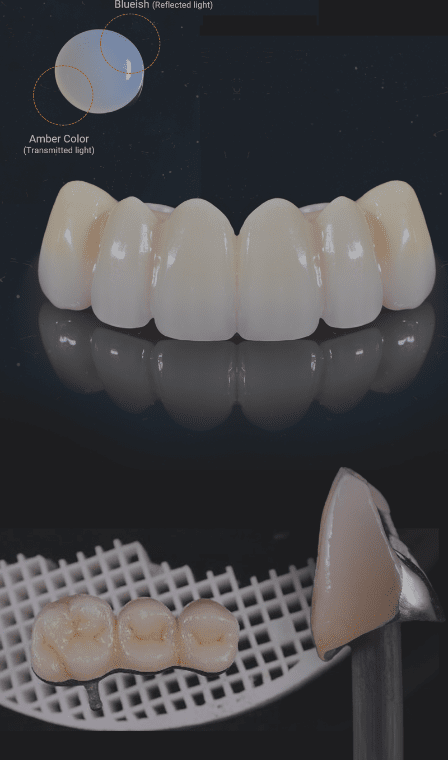
Milled Amber DryMill block and crystallized Lithium Disilicate (LS2) restoration
A milled Amber DryMill block alongside the final crystallized restoration made of Lithium Disilicate (LS2), courtesy of DT. Yoon Jong-uk and DT. Kim Dae-seok.


Crystallized Amber DryMill veneers displaying Lithium Disilicate (LS2) translucency and gloss
Finished Amber DryMill veneers after crystallization, showing the natural translucency and gloss of Lithium Disilicate (LS2).
Amber DryMill veneers after crystallization using Lithium Disilicate (LS2)
Amber DryMill veneers are displayed following the crystallization process, crafted from Lithium Disilicate (LS2).


Product Resources (Brochure / Manual / Others)


Available Shades

Amber DryMill is available in 9 shades (W1, W2, W3, W4, A1, A2, A3, B1, B2) and 3 translucency levels (HT, MT, LT), for a total of 27 shade options.
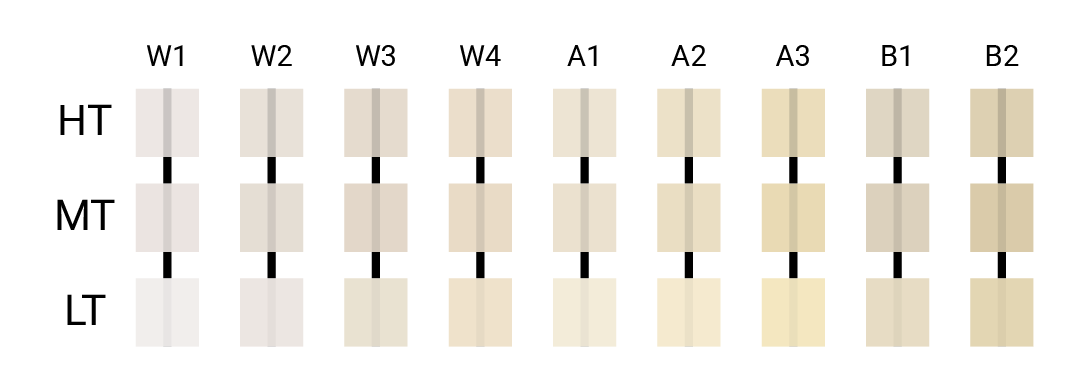
Amber DryMill shade chart showing W1, W2, W3, W4, A1, A2, A3, B1, B2 shades in HT, MT, and LT translucency
ShadeHTMTLT
W1AvailableAvailableAvailable
W2AvailableAvailableAvailable
W3AvailableAvailableAvailable
W4AvailableAvailableAvailable
A1AvailableAvailableAvailable
A2AvailableAvailableAvailable
A3AvailableAvailableAvailable
B1AvailableAvailableAvailable
B2AvailableAvailableAvailable
Amber DryMill Shade and Translucency Chart (HT: High Translucency, MT: Medium Translucency, LT: Low Translucency)

Product Line-up

The Amber DryMill C16 block measures 20.2 mm (L) × 20.2 mm (W) × 16.5 mm (H) and comes in packs of 5 blocks.

Amber DryMill C16 block dimensions: 20.2 mm length, 20.2 mm width, 16.5 mm height


Block sizeC16
Length (L)20.2 mm
Width (W)20.2 mm
Height (H)16.5 mm
Pack size5 blocks per pack
Amber DryMill C16 Block Specifications

Indications

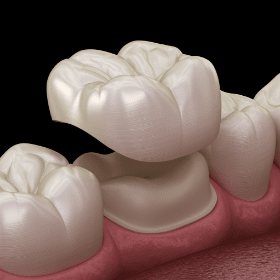
Amber DryMill is indicated for inlays, onlays, veneers, anterior crowns, and premolar single crowns.

Amber DryMill clinical indications: inlays, onlays, veneers, anterior crowns, premolar single crowns
  • Inlays
  • Onlays
  • Veneers
  • Anterior crowns
  • Premolar single crowns

FAQ


Want to learn more about Amber DryMill?

Check out the frequently asked questions below.
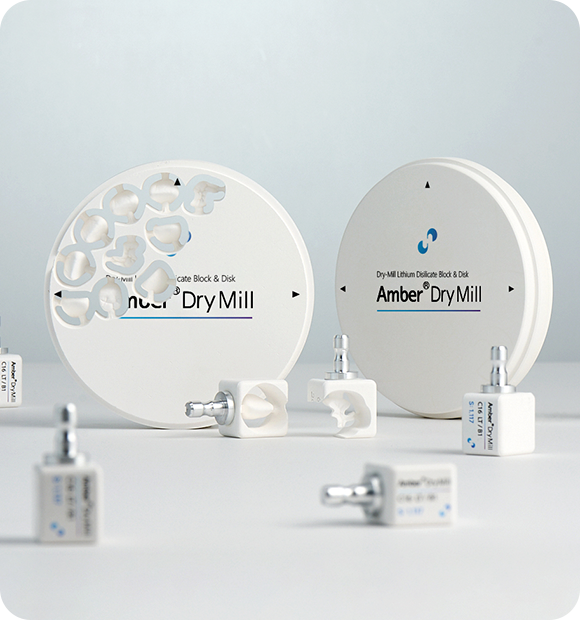


Amber DryMill block and disk set in Lithium Disilicate (LS2)
Question 1 of Amber DryMillCan Amber DryMill be used for wet milling, or should it only be used for dry milling?
 
Answer 1 of Amber DryMill

Amber DryMill is specifically designed for dry milling, so dry processing is recommended.


Wet milling is not recommended, as moisture may penetrate the material and potentially affect the subsequent sintering process.


Question 2 of Amber DryMillCan I use an existing Lithium Disilicate CAM template?
 
Answer 2 of Amber DryMill

Using a standard Lithium Disilicate CAM template is not recommended.


Amber DryMill requires enlarged milling to compensate for sintering shrinkage, 
along with dedicated processing parameters. 

For optimal results, we recommend using a CAM template specifically optimized for Amber DryMill.



*

*

*

*

*