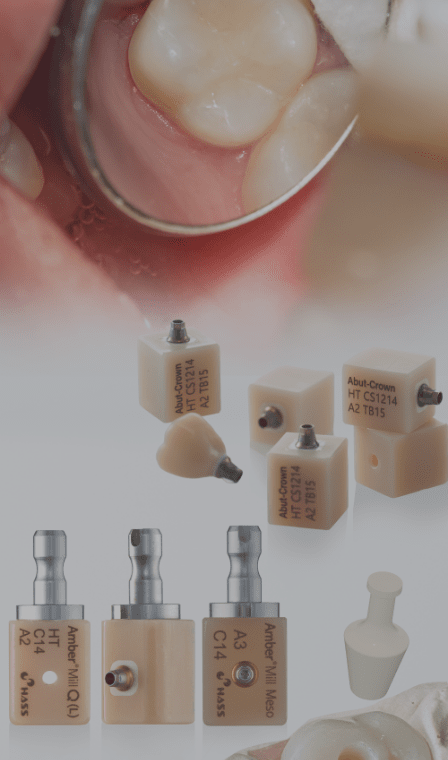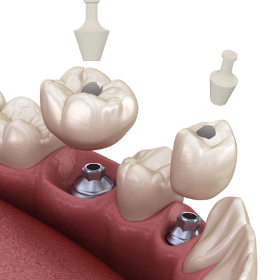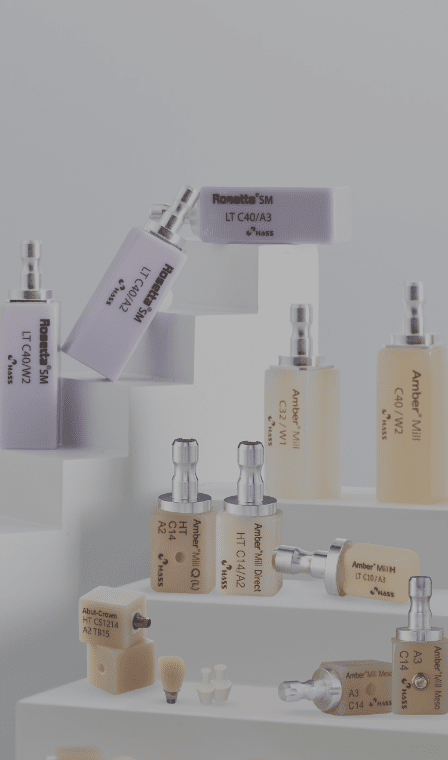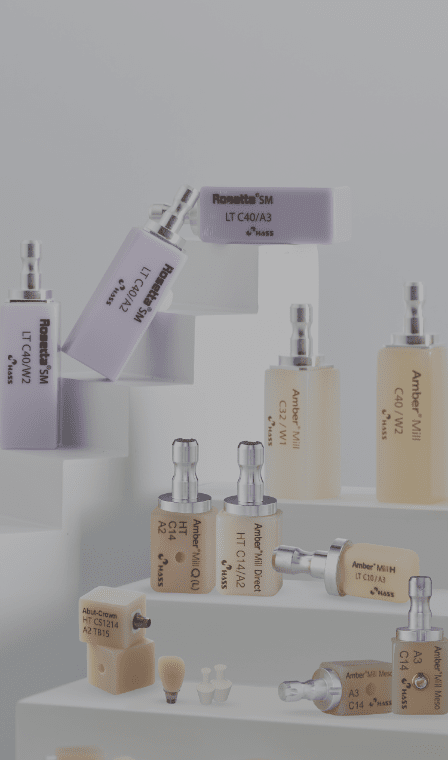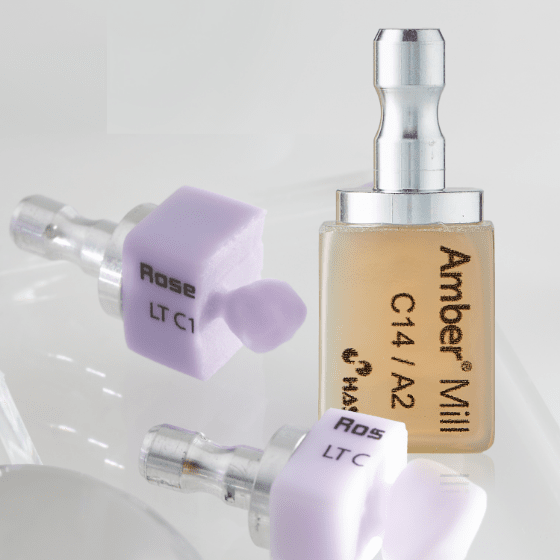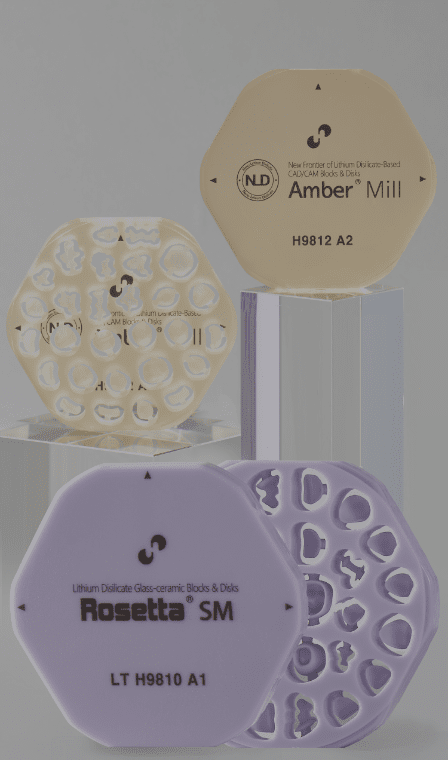




Amber Mill Direct
Why choose Amber Mill Direct
Key features 01
Functional Translucency + Flexural Strength
Key features 02
Quick & Easy
Key features 03
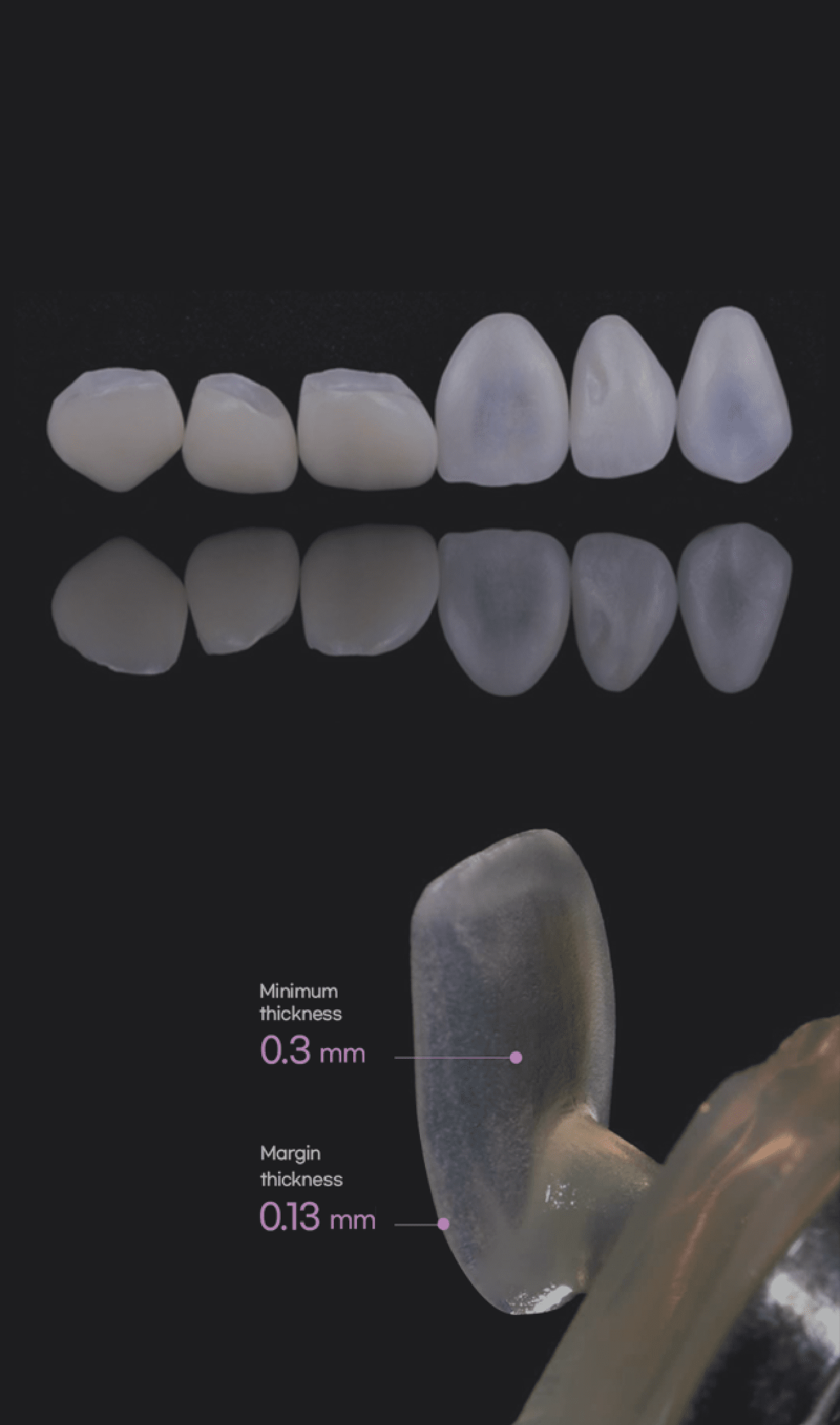
Edge Stability
Key features 01
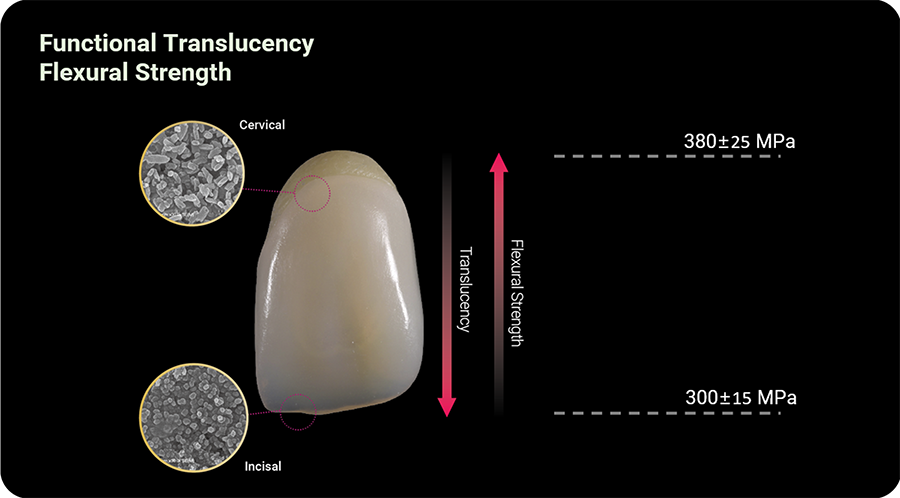
Functional Translucency + Flexural Strength
Amber® Mill Direct
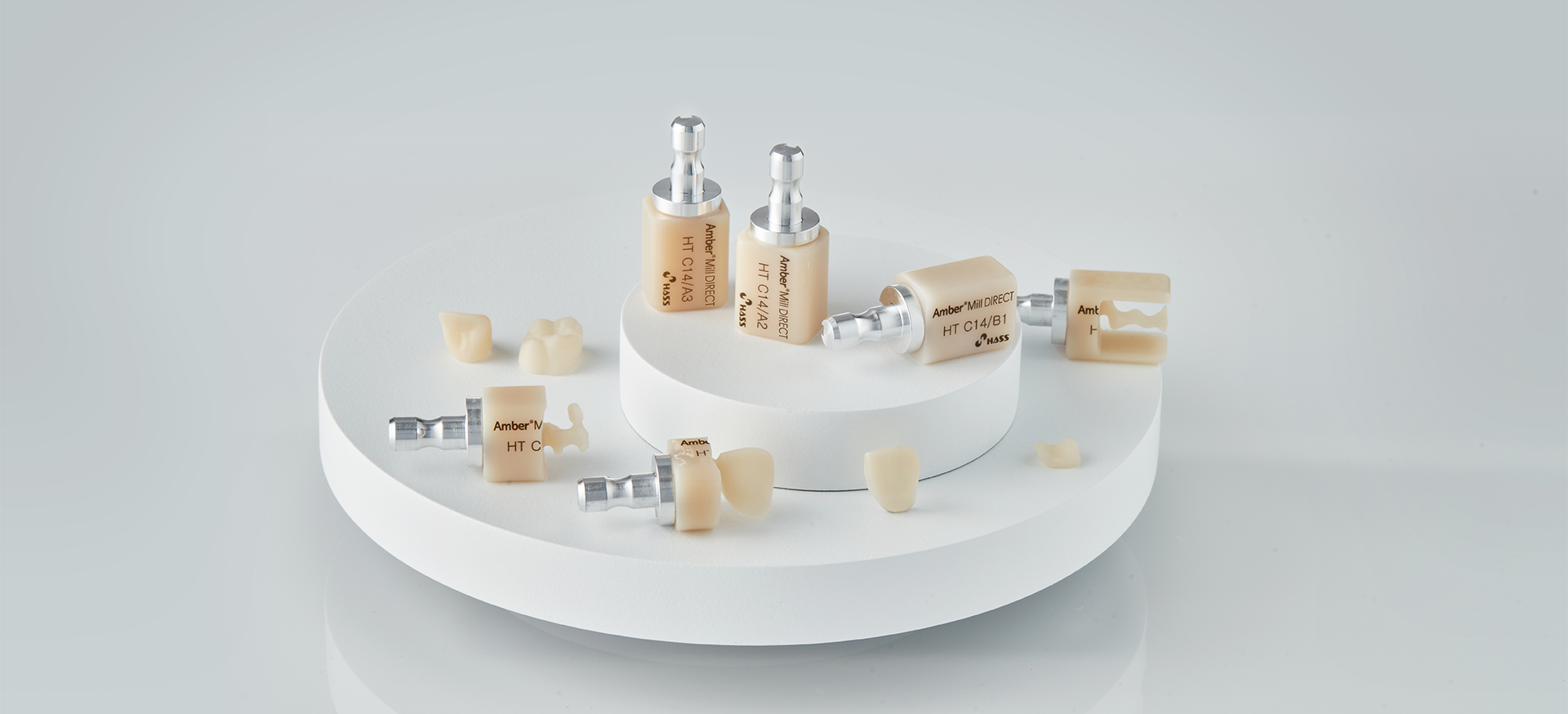
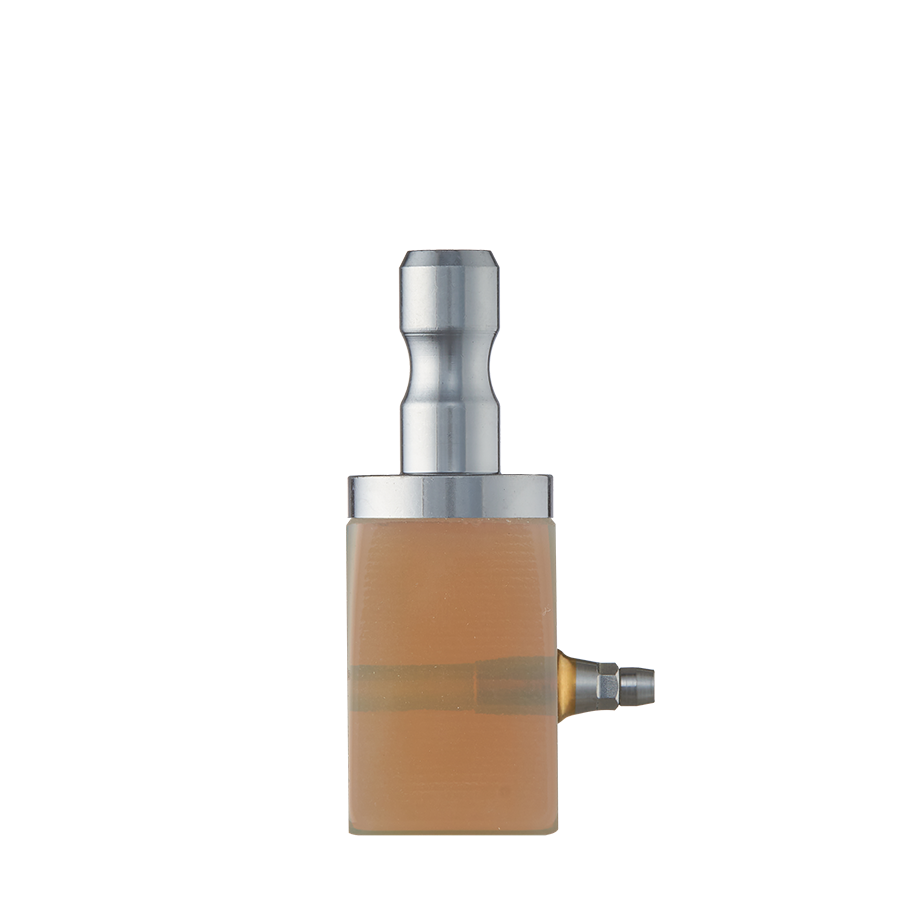
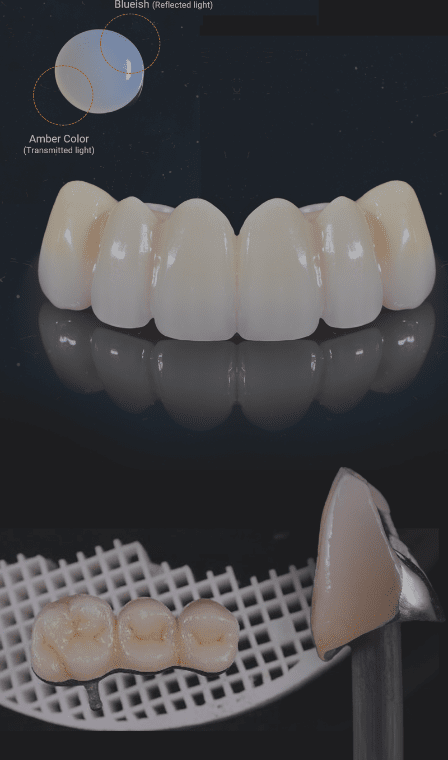
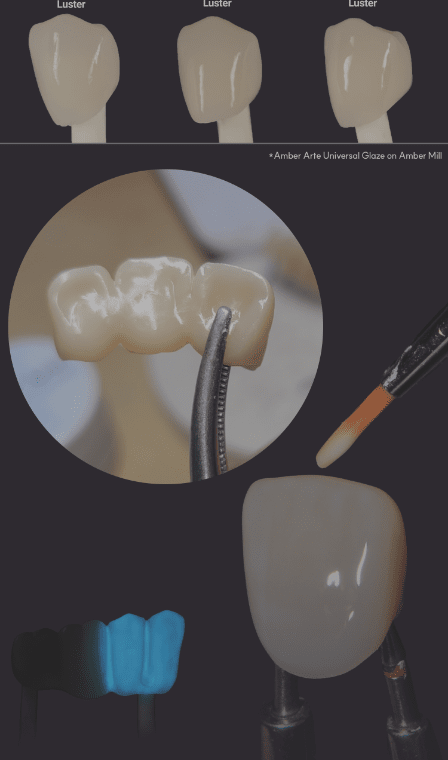
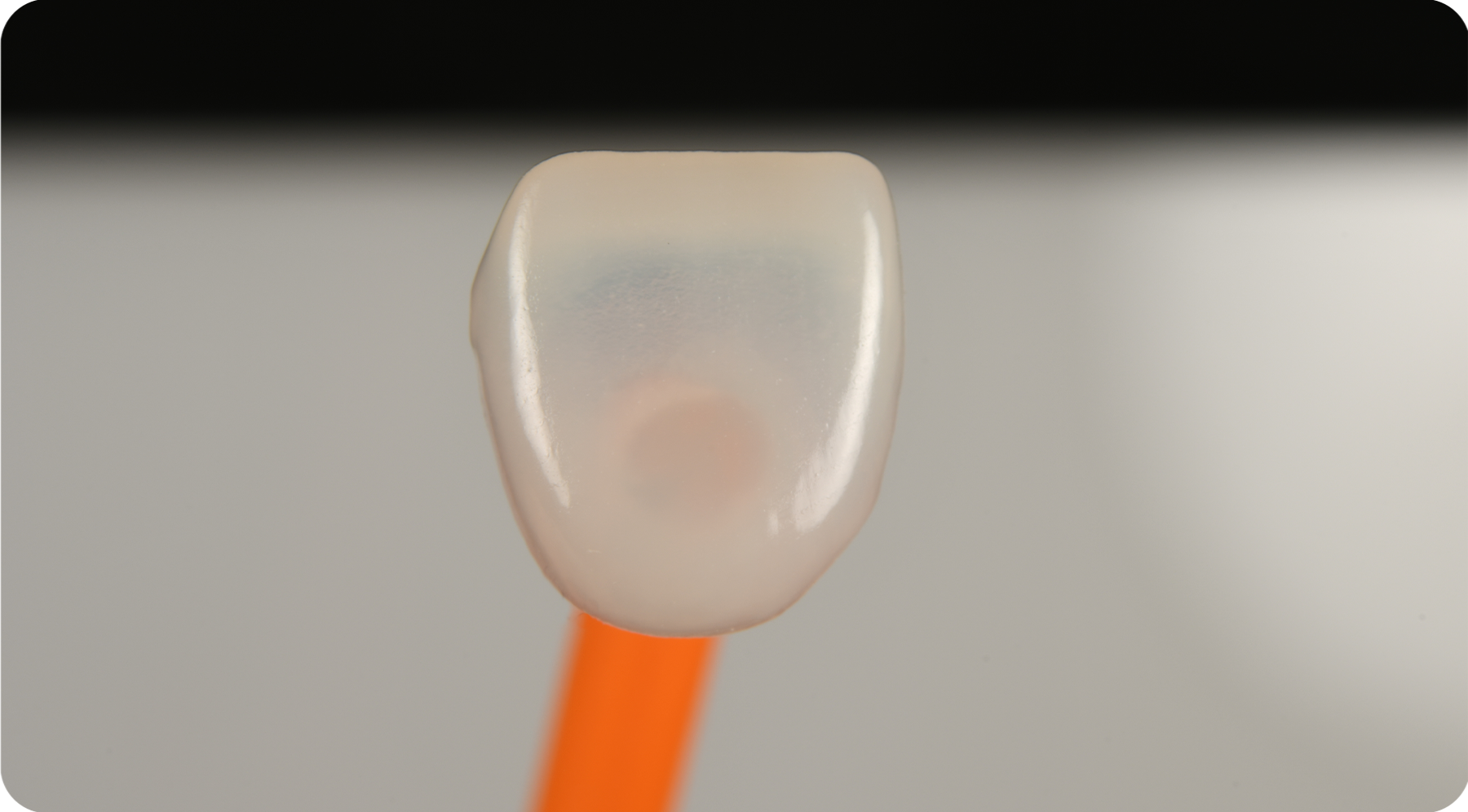
Amber Mill Direct achieves natural translucency by applying a gradated microstructure,
from the cervical to incisal and occlusal areas, without additional characterization.
Amber Mill Direct produces restorations with different microstructures that generate different strengths
in the cervical and incisal regions, thus, reducing wear of the antagonist teeth.
Key features 02
Quick & Easy
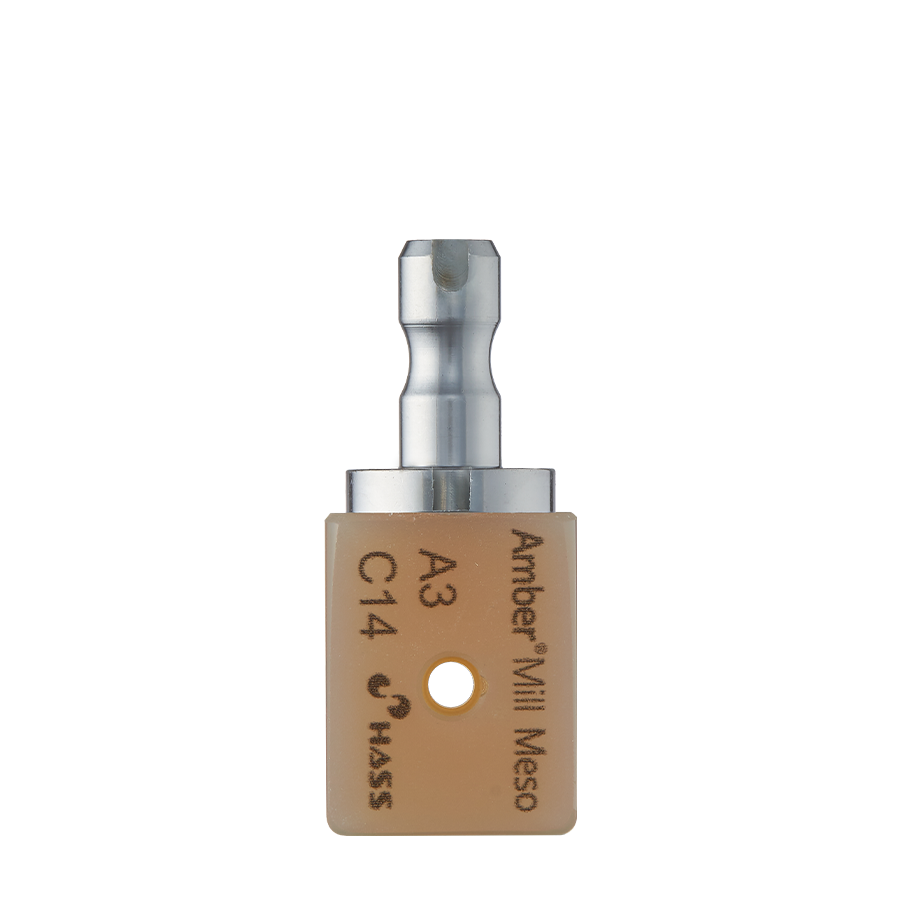
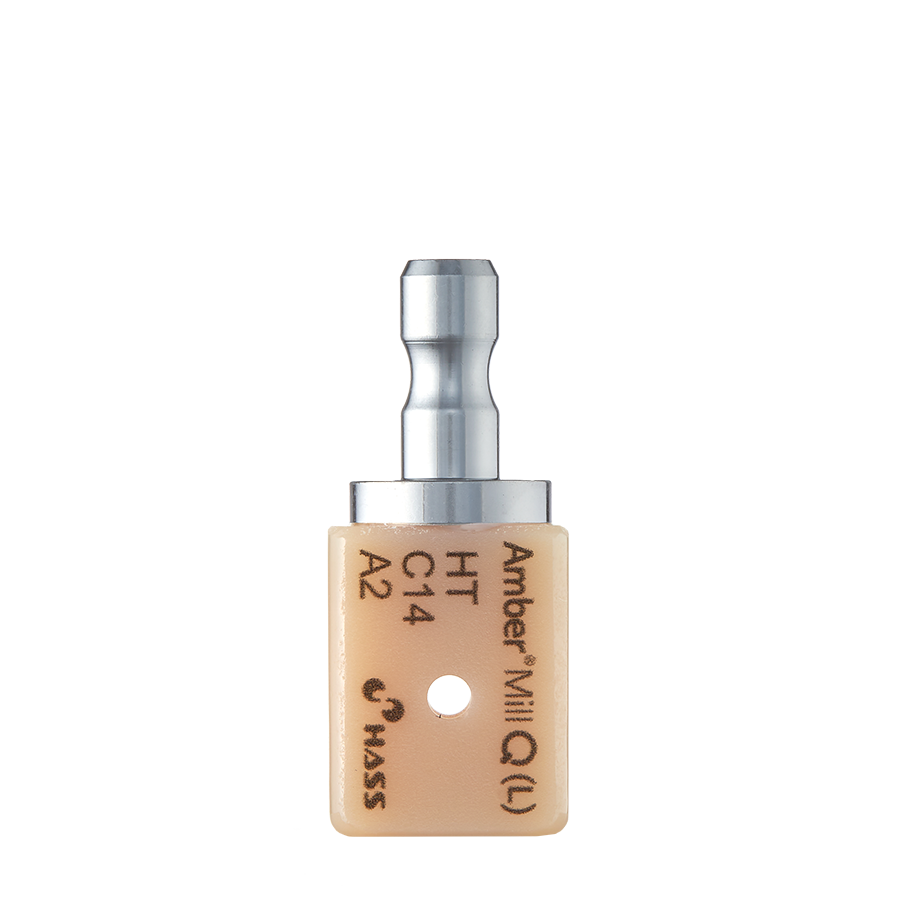
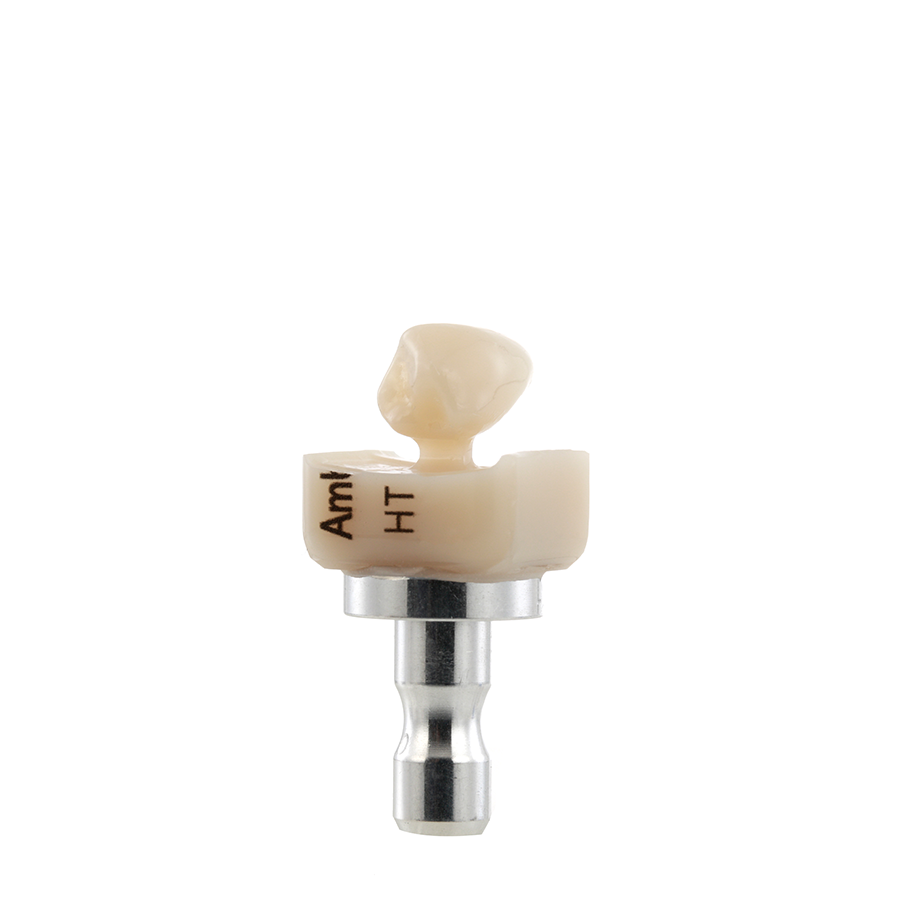
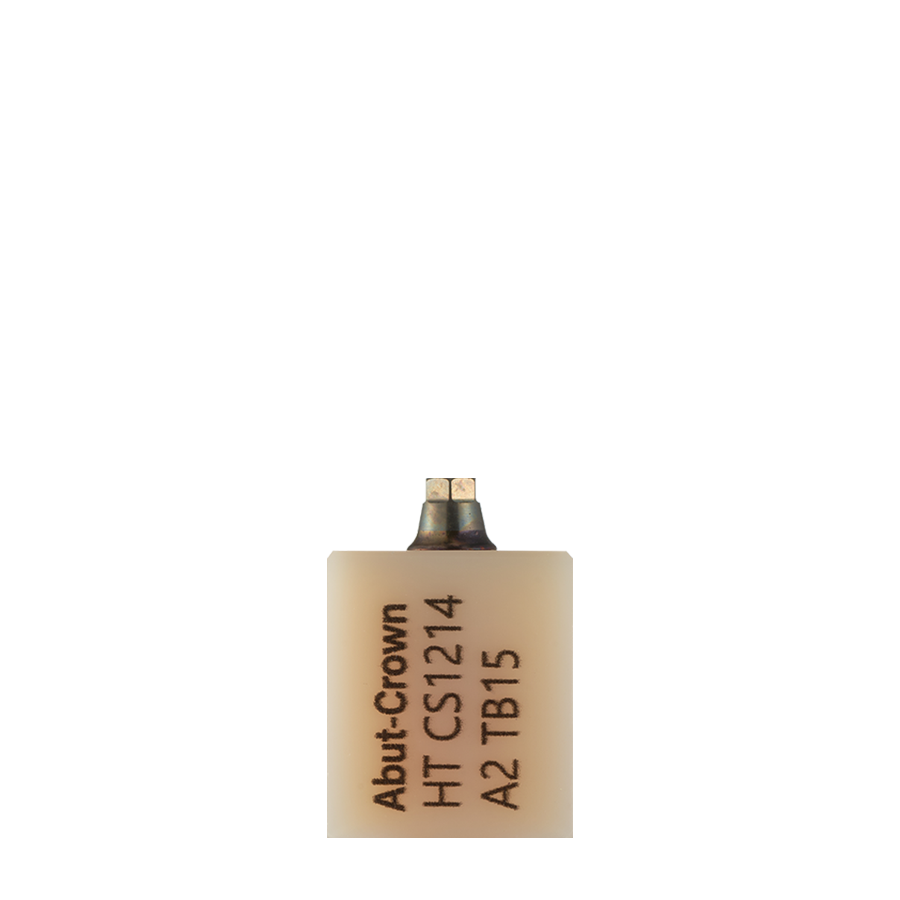
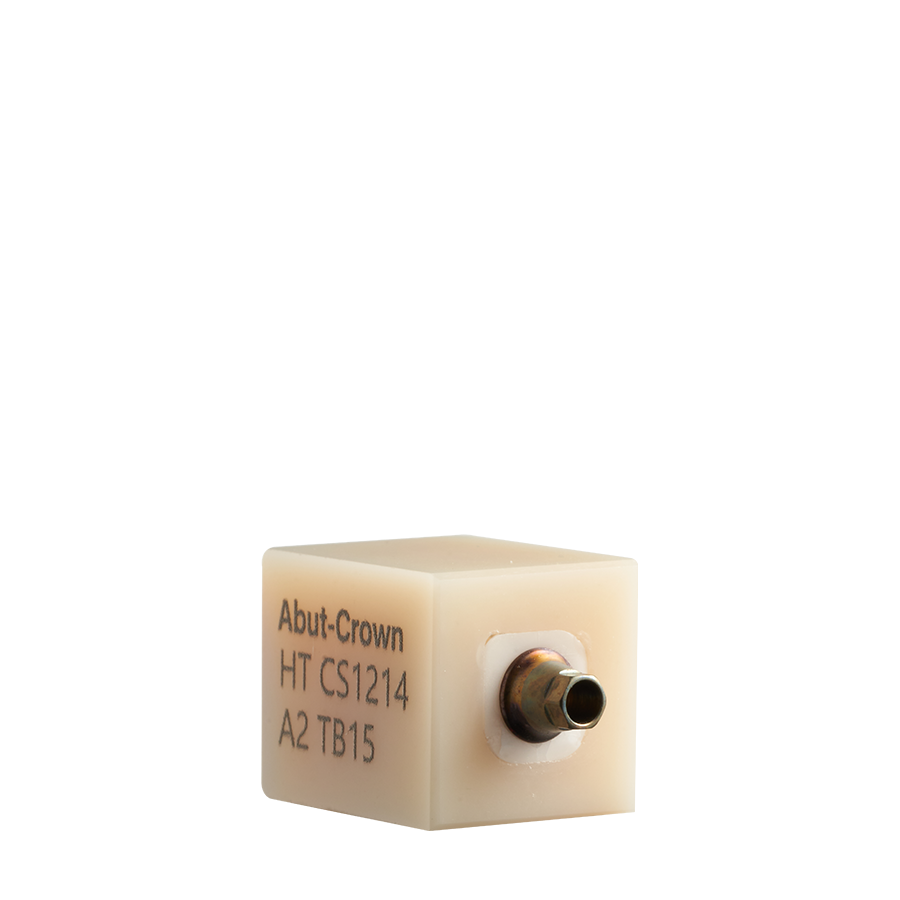
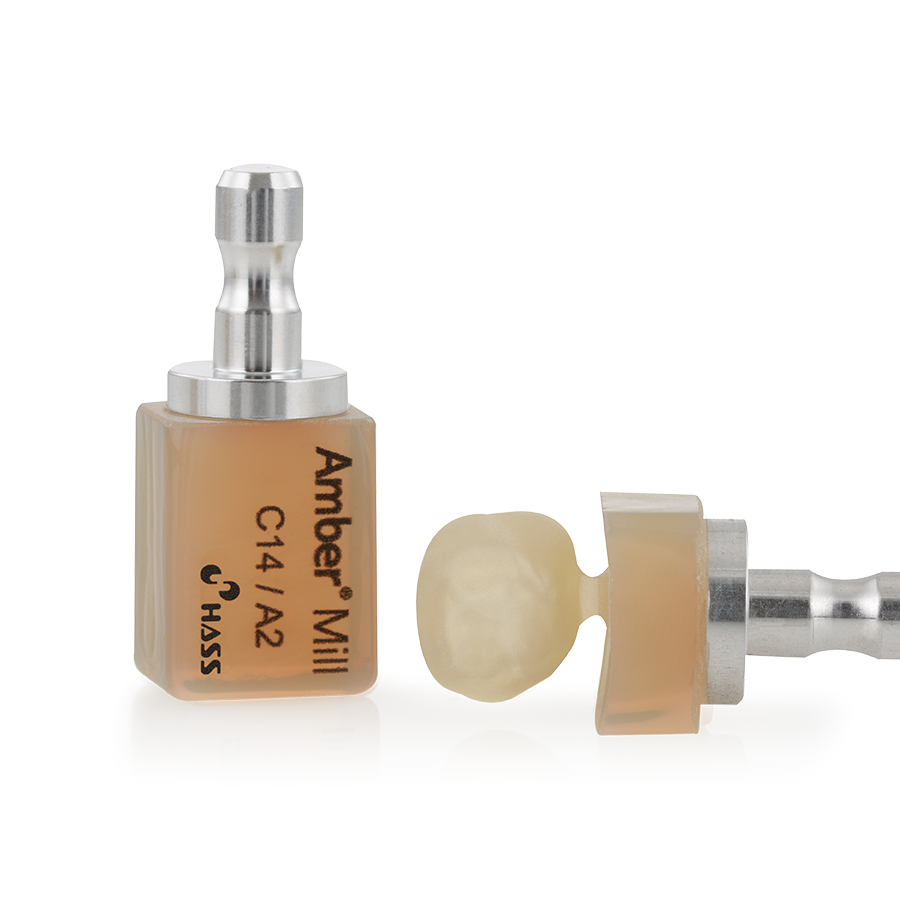
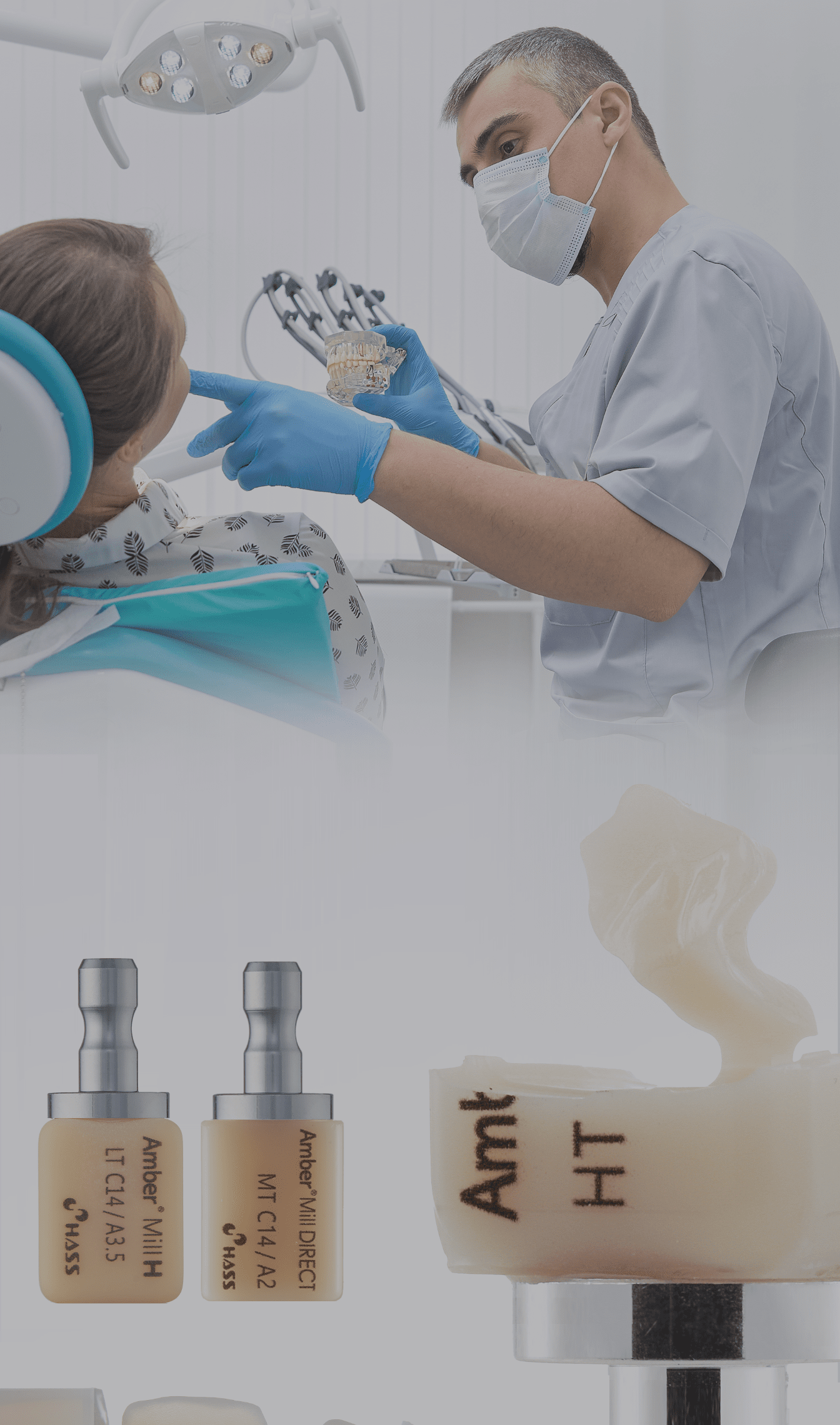
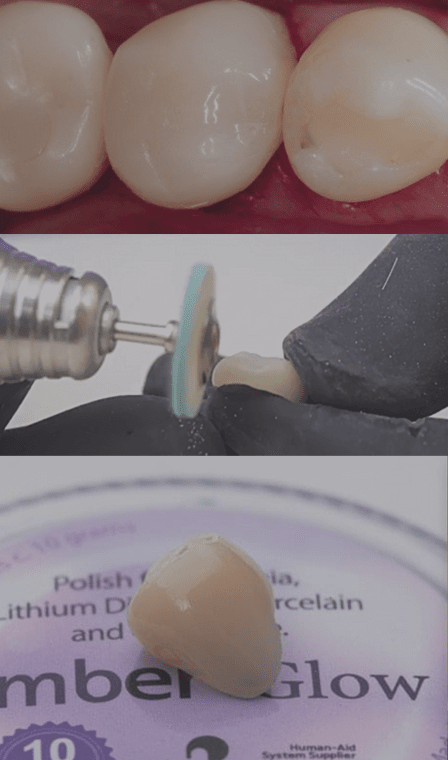
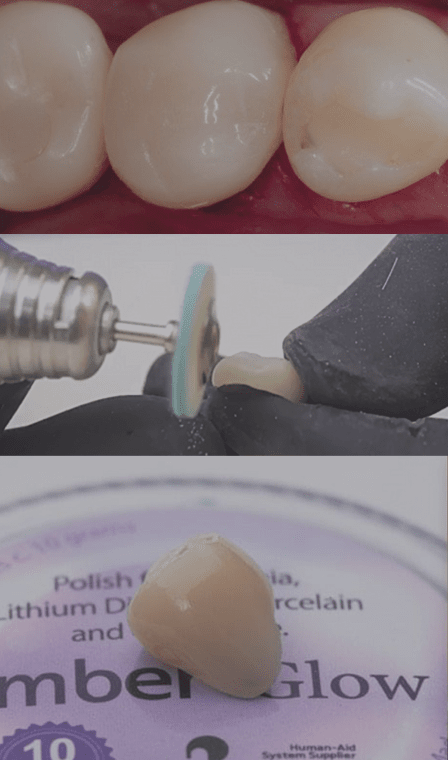
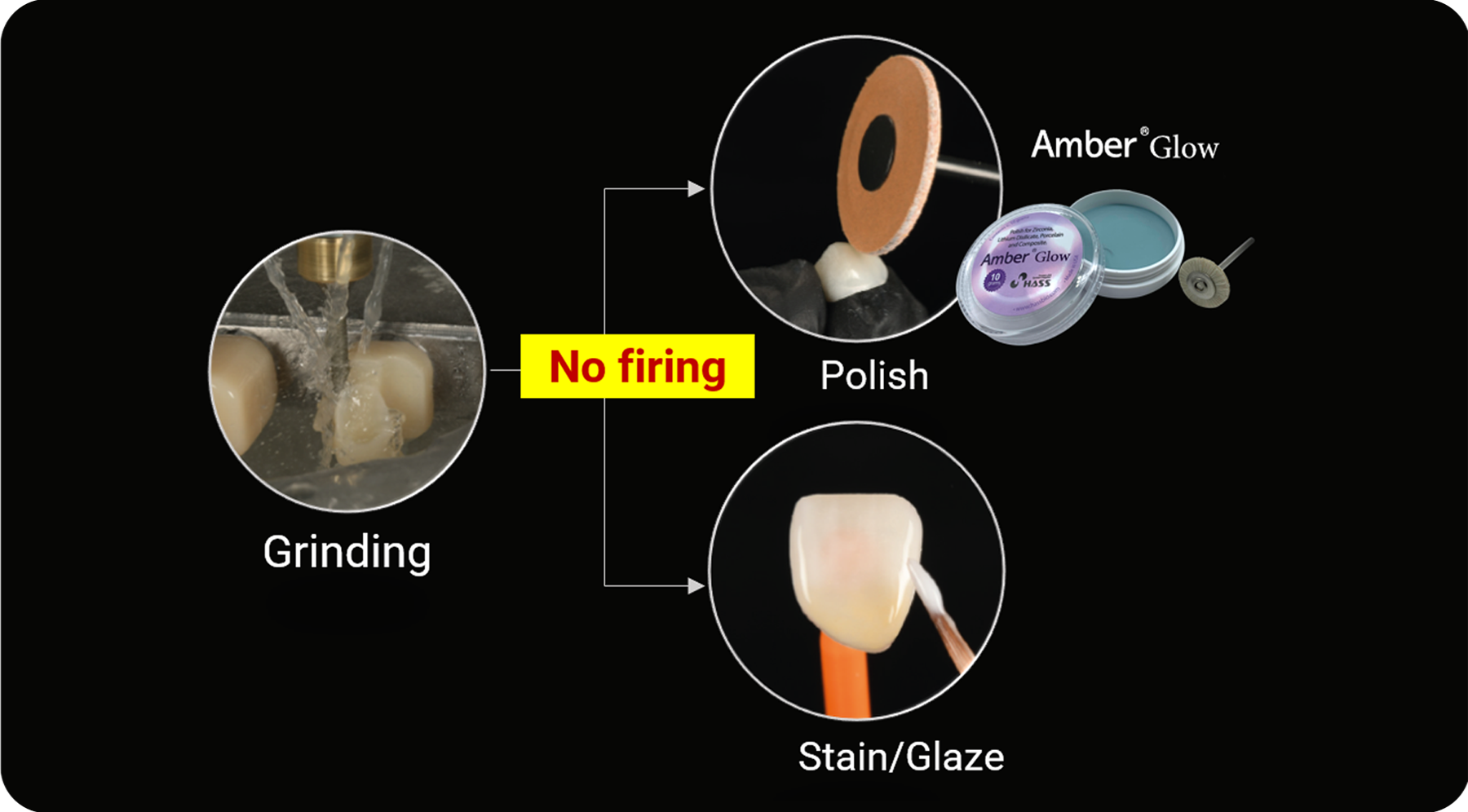
Amber Mill Direct is a pre-crystallised lithium disilicate-based millable glass ceramic block that helps dental professionals deliver chairside restorations within 1 hour,
as only polishing is required after milling.
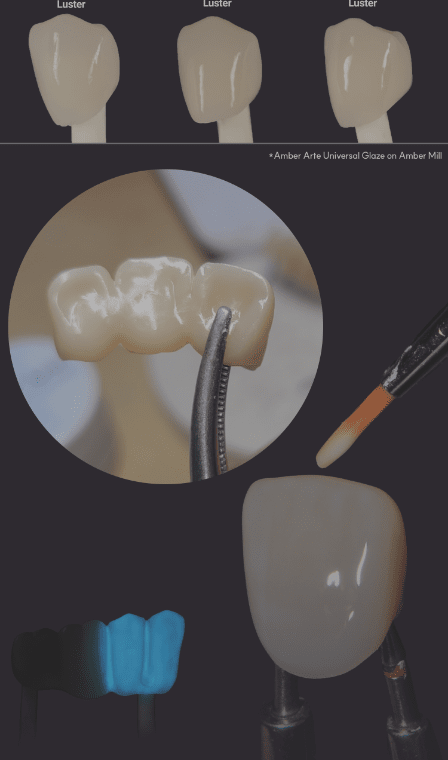
The translucency of the block can easily be adjusted by firing the glazed restoration.
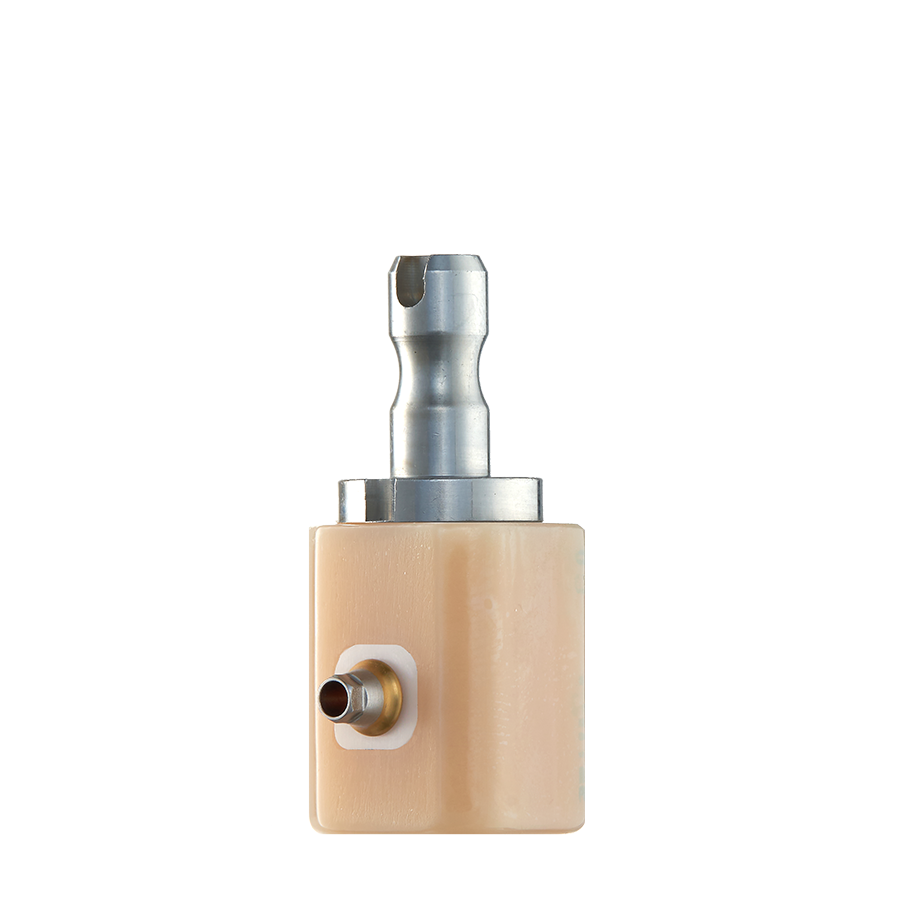
The blocks have a CEREC mandrel allowing CEREC and universal mandrel wet milling machines in the industry to fabricate the restorations quickly.
Key features 03
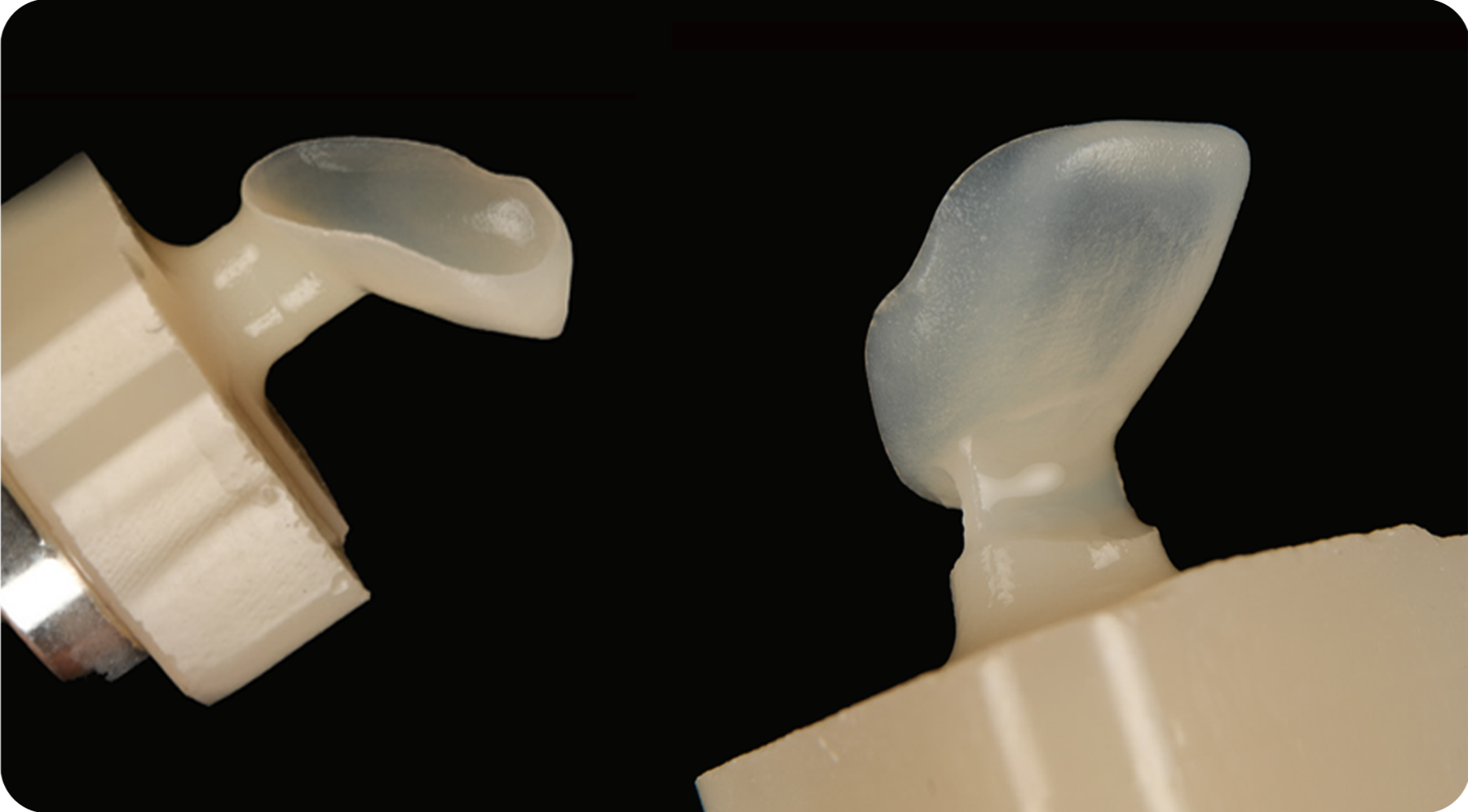
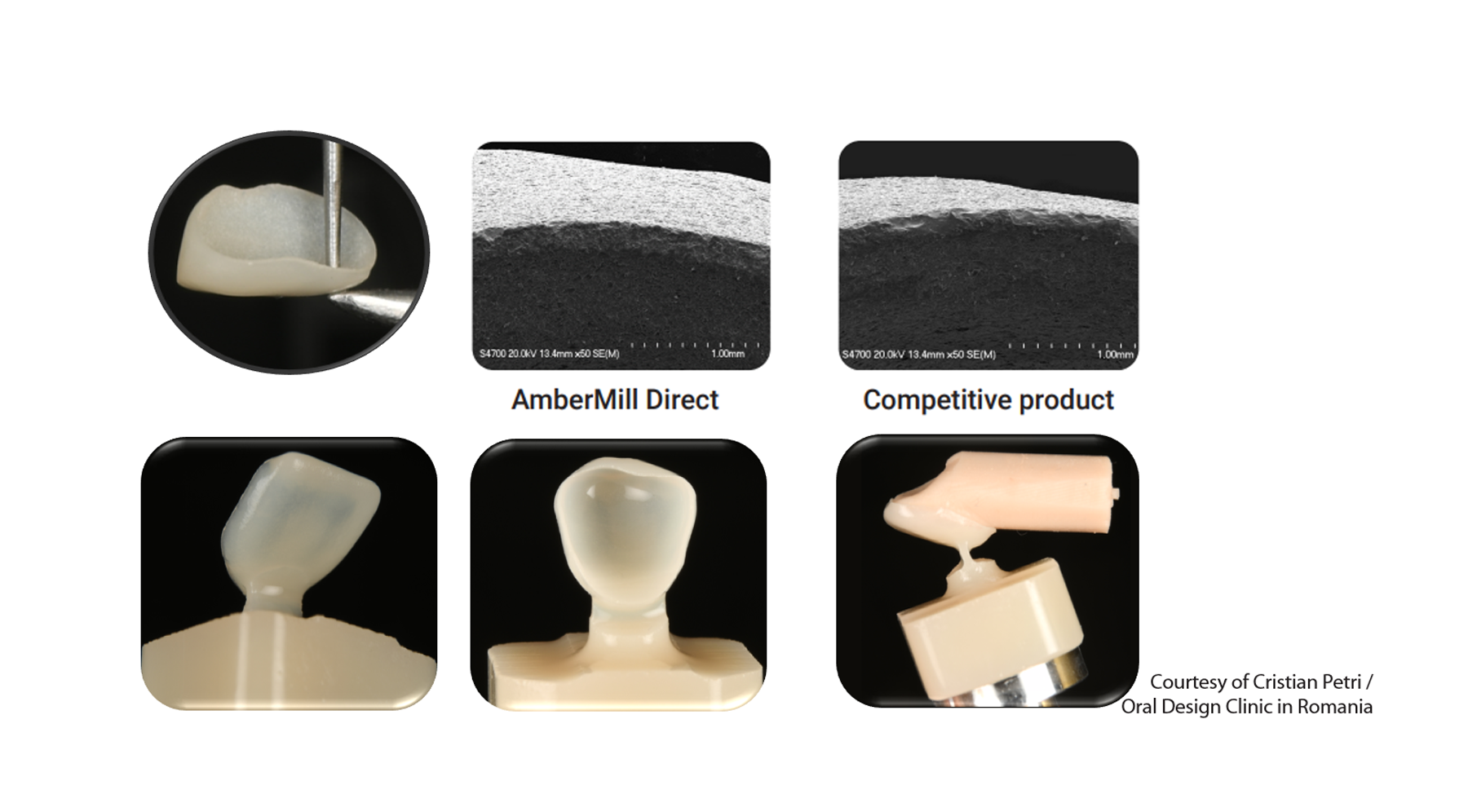
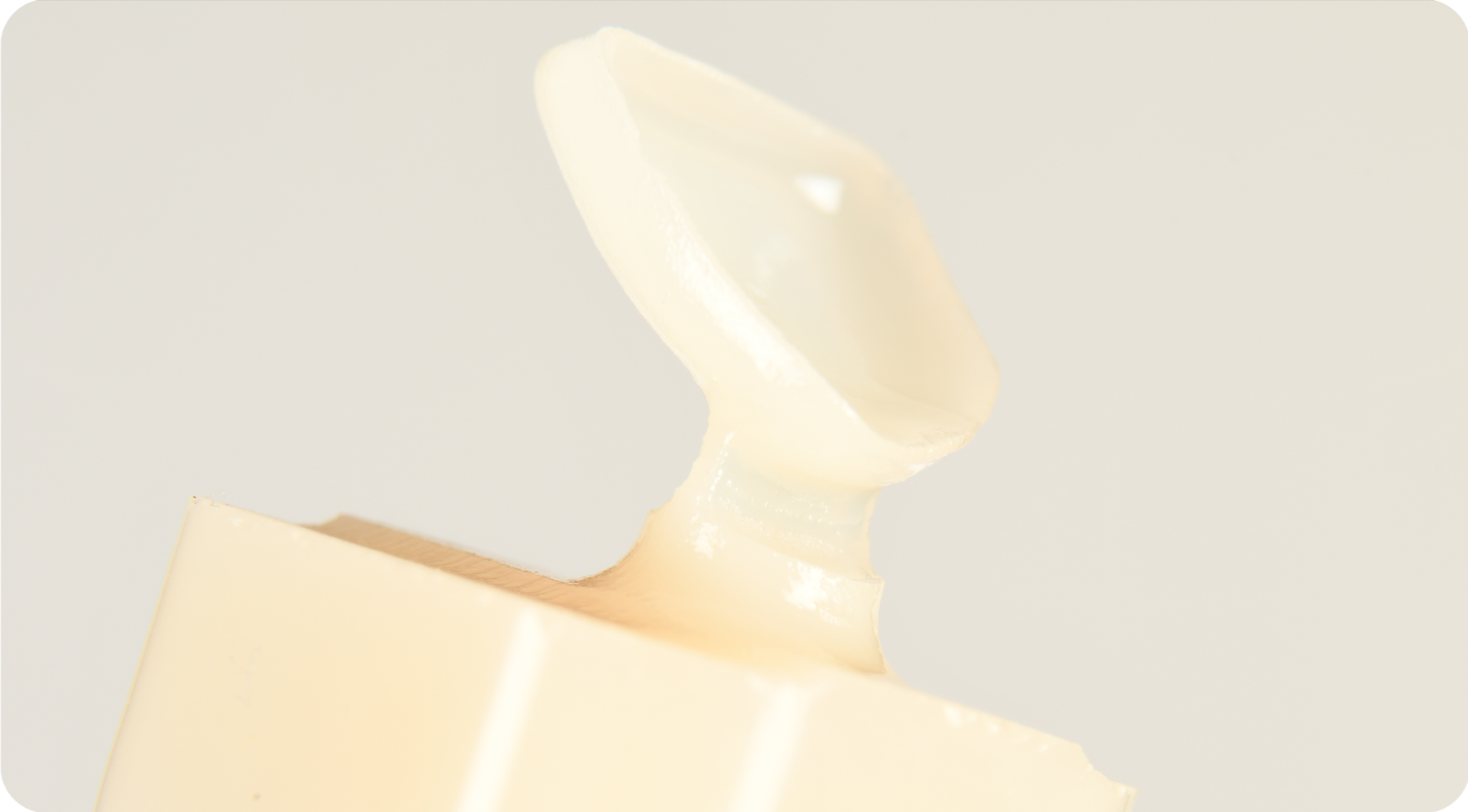
Edge Stability
Achieve excellent marginal fit and cervical contour

[1] https://doi.org/10.14815/kjdm.2021.48.1.1, Byeol Hwang, Tae Sung Bae*, Color comparison of glaze-treated multi-coloured lithium disilicate and zirconia. Korean Journal of Dental Materials, 2021.03.03.
[2] https://doi.org/10.14815/kjdm.2023.50.2.81, Min-Soo Bae, Jung-Jin Lee*, Aesthetic restoration of maxillary central incisor with discoloration using lithium disilicate treated with liner: A case report. Korean Journal of Dental Materials, 2023.06.28.
[3] https://doi.org/10.1016/j.jds.2024.11.031, Hsuan Chen, Yuan-Min Lin*, Accuracy of single ceramic crowns milled on a mobile digital dental laboratory after transportation over varying distances. Journal of Dental Sciences, 2024.12.07.
[4] https://doi.org/10.1007/s10266-024-00998-y, Ji-Hyun Kim, Min-Ho Lee*, Impact of liner treatment on the translucency of CAD/CAM multi-colored lithium disilicate and multi-layered zirconia implant-supported crowns, and evaluation of fracture strength of ceramic crowns. Odontology, 2024.10.08.
[5] https://doi.org/10.1111/jopr.14017, Ki-Un Lee, Lee-Ra Cho*, Effect of crystallization and finish line curvature on the marginal integrity of lithium disilicate crowns. Journal of Prosthodontics, 2025.01.07.
[6] https://doi.org/10.1111/jerd.13489, Anvita Maharishi, Shane N. White*, Characterization of Lithia-Based Machinable Glass-Ceramic Materials. Journal of Esthetic and Restorative Dentistry, 2025.05.19.
[7] https://doi.org/10.1016/j.jmbbm.2025.107106, Carola Irlinger*, Impact of polishing, glazing and firing, restoration thickness, point of loading and aging on the edge chipping resistance of lithium silicate ceramics. Journal of the Mechanical Behavior of Biomedical Materials, 2025.06.20.
![[AMD-Manual]](https://hassbio-head.s3.ap-northeast-2.amazonaws.com/videos/thumbnails/H7j9yC5j02Ufr0wj8XBj1PVClkU7WHEPIuWagr45.png)
![[AMD-Webinar] Mastering Single-hour Chairside Restorations Featuring Amber Mill](https://hassbio-head.s3.ap-northeast-2.amazonaws.com/videos/thumbnails/Ew449ZSdVIN2uYozC0idxSHKgh45Zb9nhvPEdxTZ.png)
![[AMD-Webinar] Achieve True 1-hour Single Visits with Lithium Disilicate Restorat](https://hassbio-head.s3.ap-northeast-2.amazonaws.com/videos/thumbnails/TfEjMW4ZUMEs0uKR17L9I7BgIXkAhZ4KZeMyt1oN.png)
![[AMH-Manual] EN](https://hassbio-head.s3.ap-northeast-2.amazonaws.com/videos/thumbnails/FgtxPDLrpjdldAtOK5BcwOnRzdcQchDT01a1WOeS.png)
![[AMH-Manual] KR](https://hassbio-head.s3.ap-northeast-2.amazonaws.com/videos/thumbnails/hDONNERI8fvEE3GA8RWIHDgMrgfJSePHzIpbt0kX.png)
![[Rosetta SM-Manual]](https://hassbio-head.s3.ap-northeast-2.amazonaws.com/videos/thumbnails/1x3Cs3ZCW9vjvIX6tSJjKJhCqrqIZwksv8XMmm8x.png)
![Reference Articles] Amber Mill Direct](https://hassbio-head.s3.ap-northeast-2.amazonaws.com/downloads/images/HFhPUzF9qK401ILc19qGtIAzde4qHfC4iRy3Na0S.png)

![Scientific Data] Amber Mill](https://hassbio-head.s3.ap-northeast-2.amazonaws.com/downloads/images/8pGUe3Yw5Q4EXH61VudNjmco3W5pVklRjX9lQ3xM.png)
![Reference Articles] Amber Mill](https://hassbio-head.s3.ap-northeast-2.amazonaws.com/downloads/images/S3nSScxwq2Y32XThe4rvw6ZQpC5sB6JQdoLtN3lg.png)
![Reference Articles] Rosetta SM](https://hassbio-head.s3.ap-northeast-2.amazonaws.com/downloads/images/iejVHgmydFhxbQB3VNH7yV9i7UGsFBxZe6WAAmf1.png)
![Reference Articles] Amber Mill Q](https://hassbio-head.s3.ap-northeast-2.amazonaws.com/downloads/images/i0aHglGdkEN70srury5b1mGKERylIFFzZKs6krp2.png)
![Reference Articles] Amber Mill H](https://hassbio-head.s3.ap-northeast-2.amazonaws.com/downloads/images/04G8rgQkmPsyb6GjpxBOdyHTwC6xCZHhRfMKlRMO.png)


Indications
Indications

Product Line-up
Product Line-up

Available Shades
Available Shades
FAQ
FAQ
Want to learn more about Amber Mill Direct?
Check out the frequently asked questions below.
What is the maximum firing temperature for stain & glaze and add-on powder with Amber Mill Direct?
To fire without changing the translucency, the maximum firing temperature should be within the range of 740–780 °C.
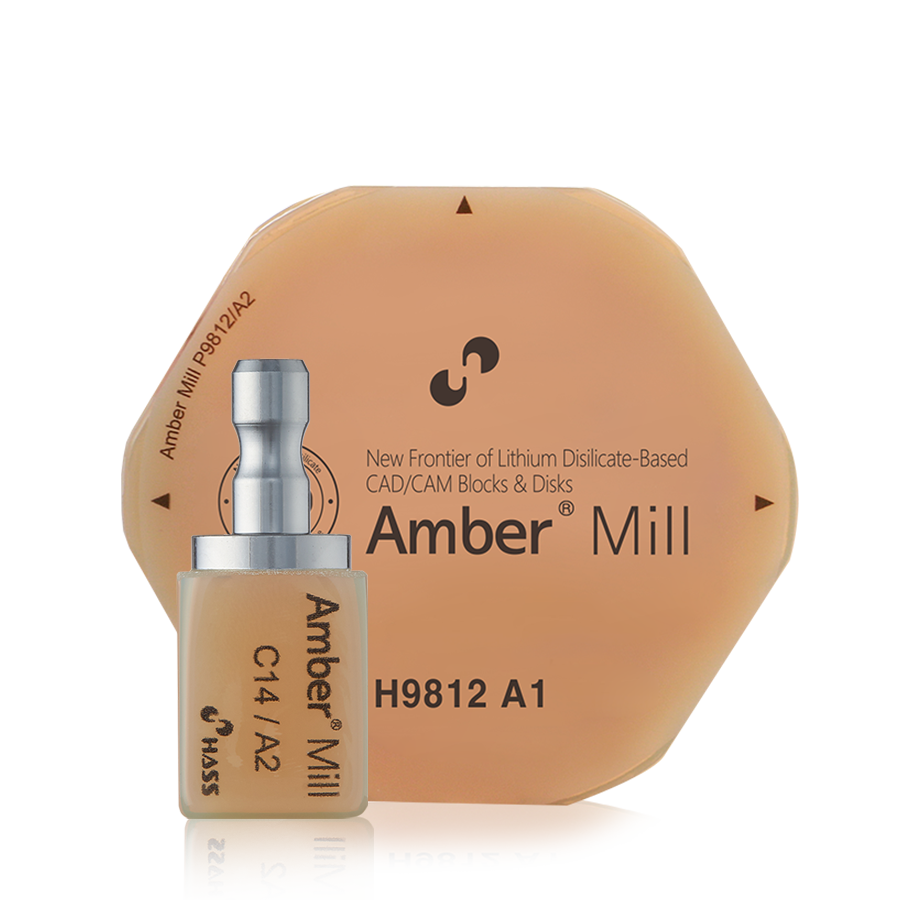
What is the biggest difference between Amber Mill Direct and Amber Mill?
Amber Mill Direct: A fully crystallized block that requires no separate crystallization firing after milling; a gradient block that resembles the structure of natural teeth.
Amber Mill: A block in a nano-crystalline state, giving excellent edge-milling stability; its translucency can be freely changed by the crystallization firing temperature.
Translucency selection guide for HASS products?
Preferred translucency and technique vary from user to user. In general, High Translucency (HT) or Medium Translucency (MT) is selected when fabricating restorations with the stain technique, and Low Translucency (LT) is commonly used with the layering technique.
Many users also prefer to fabricate thin veneers of 0.5 mm or less using Low Translucency (LT) with the stain technique.
When the abutment color differs greatly from the target shade, many users fabricate the framework in Medium Opacity (MO) and complete it with the layering technique.
I would like a basic guide for selecting the translucency of HASS products.
High Translucency: used to reproduce the translucency of the enamel layer of natural teeth.
Low Translucency: used to reproduce the translucency of the dentin layer of natural teeth.
Medium Opacity: used to mask the abutment color when it differs from the target shade.
Preferred translucency varies from user to user.
In general, when working with the stain technique only (no layering), High Translucency is commonly used for inlays and onlays, and Low Translucency for thin veneers.